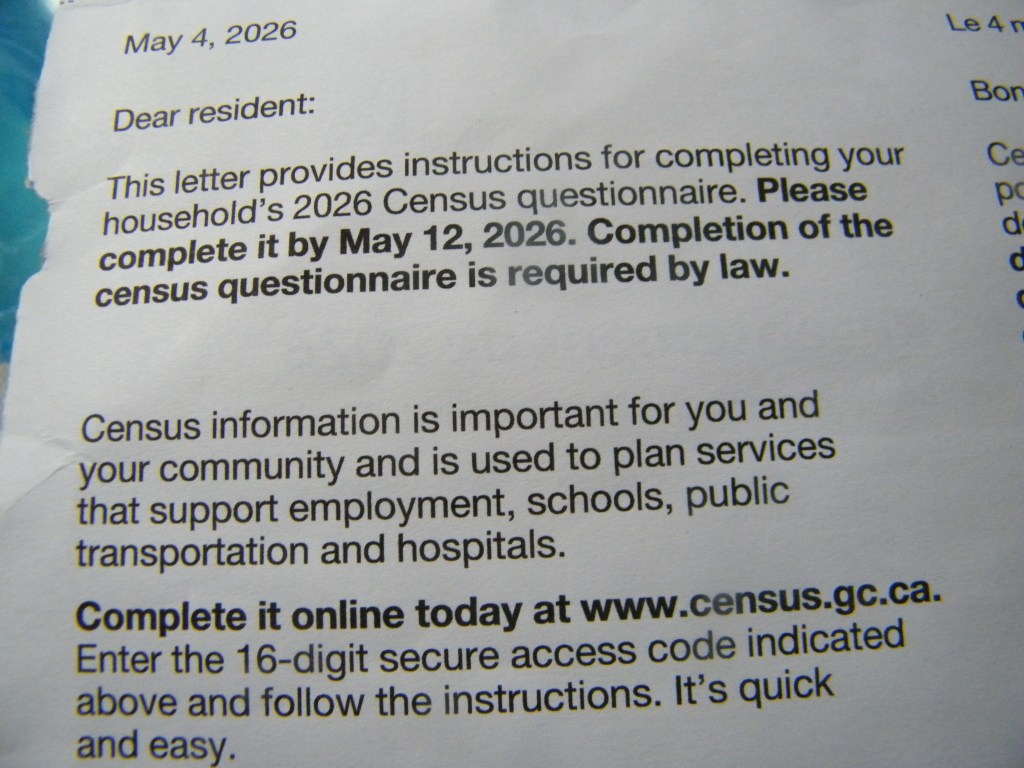
The Census Canada notice for this latest census arrived in the mail early last week. Just seeing the notice triggered a wave of raw emotions from when I worked as a census enumerator in 2011. It was such a challenging time of my life. In 2008 my decades long factory job ended after the factory I worked at closed and relocated in Mexico. This was repeated with other factories multiple dozens of times across the province triggering the loss of approximately 300,000 Ontario manufacturing jobs between 2004 and 2010.
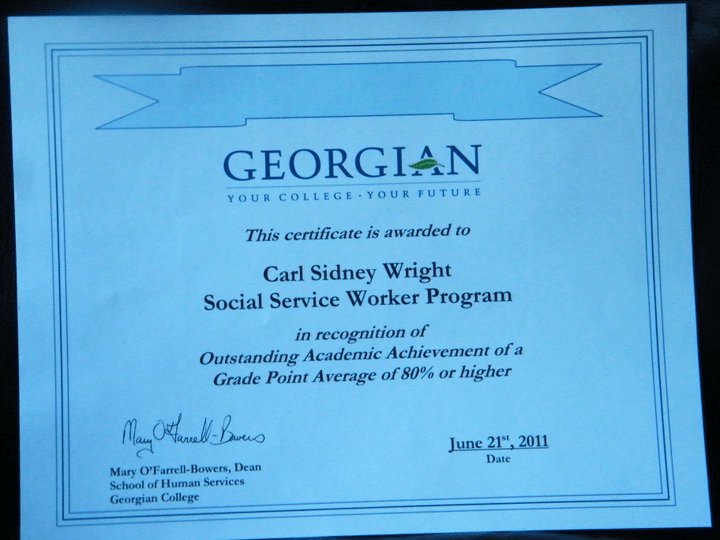
With no future in manufacturing I returned to school while in my 50’s. I was rejected by universities and colleges after high school because of my poor high school grades following my father’s sudden death. Now as one in my 50’s I was able to apply as a mature student. With the recommendation from employment counselors I applied for and was accepted in a program called Social Service Worker Program to begin in January 2010. There was to be lots of available jobs in this field. To complete the course as quickly as possible I fast-tracked it. College for 16 months straight with no breaks to complete the two year program. College was challenging. I was definitely out of my comfort zone. But I worked extremely hard and graduated with honours after two years with an average of 86.9%. Unfortunately in the meantime the provincial government had pulled much of the funding for the social agencies and their programs. There was now no jobs after I graduated in the field I studied for. What few jobs that were available now required a university degree. Despite these jobs paying only minimum wage or slightly above.
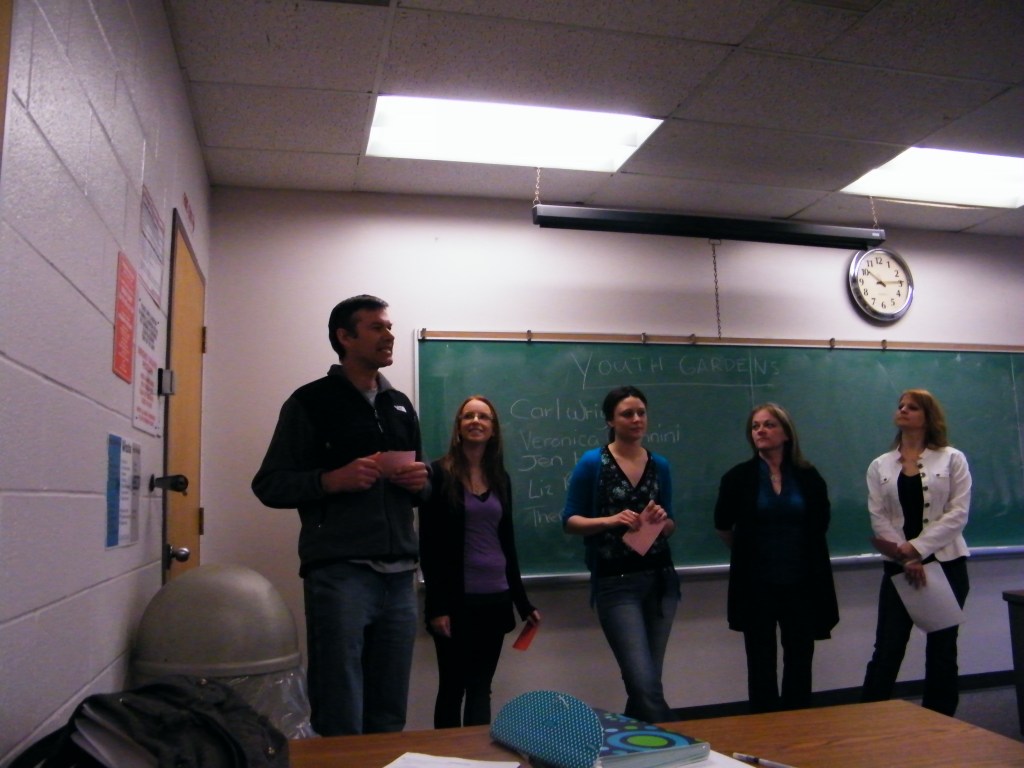

The only thing I had showing from my two years of college was a piece of paper and a massive debt hanging over my head. I was so stressed. Having five dependents at home to provide for, I couldn’t be picky and choosey with what kind of work I would do. So when I saw an ad to be a census enumerator I applied and I was hired in the spring of 2011. It was temporary and part-time. But every bit helps. After my 2 days of training and orientation I then hand delivered a census form to the door of each of around 500 households in my territory. If everyone in my territory dutifully filled out their census on time, my job would have been very easy. After the deadline I was instructed to follow up with a visit to all the unresponsive households. This is when things got interesting. If going to college in my 50’s was out of my comfort zone, following up those individuals who were not doing their census was way above and beyond. I was expecting some resistance, but the daily verbal abuse I encountered at so many addresses far exceeded what I was prepared for. Nearly always it was people who were anti-government. Since I technically was working for the federal government with my temporary, 15-20 hour a week, slightly above minimum wage job, I was the face of the enemy. Fortunately for myself, nothing escalated to become a potentially violent situation. Though even as bad as it was, it could have been much worse. The article “Census Workers Logged Hundreds of Cases of Violence, Harassment by Public” shares some examples from the 2021 census where census employees were punched, knocked down stairs, threatened with firearms, unwillingly detained in the home, assaulted with a pellet gun or sexually assaulted. There were also 137 dog attacks on census workers. I did stick it out. In fact I completed my territory and then ended up completing two other territory’s whose census enumerator had quit. There eventually came the day when every household in all three of these territory’s with a total of over 1,500 home addresses had completed their census form. My days as a census enumerator were at last…over.
With completing those other two abandoned territory’s. I was hoping I would get a decent reference. Nothing really came out of it. Though five years later in 2016 I received a letter from Census Canada “inviting” me to be a census enumerator again. All I had to do was check “yes” and after new background checks I would automatically be hired. It triggered me just reading the letter, so the answer was “no”. The job in 2011 did help pay some bills for ten weeks when I was desperate. Which I was very grateful for. This year’s census the notice was sent to every household through the mail instead of being hand delivered like I did in 2011. I feel for the enumerators and hope it will go smoothly for them. But I have a feeling it will be very rough for them. Just so you know, it is required by law to complete the census form. The census is not a personal data grab by the Prime Minister. Or is the census a political tool used by the government to track you, much like another Big Brother conspiracy. Yes, I heard these arguments plus many more when I was enumerator. One in four census forms is the long form. The short form is twenty questions. The long form is seventy questions, which of course takes much longer to complete. I was selected to complete the long form this year. Particularly with the long form, the questions can feel probing. But the Government of Canada uses the information from the census to figure out for example how many schools a community needs. Or where hospitals and clinics should be built. And how much federal funding a municipality receives. Other decisions made using data from the census include public transit planning, housing and infrastructure. Plus how to understand aging populations, labour shortages and demographic shifts. Liberal MP Mark Gerretsen shares this so well, “This is the data that decides whether your town gets a new doctor, a new bus route, a new elementary school. It’s literally the opposite of none of your business. It is your business. When people refuse the census, they’re not sticking it to Ottawa; they’re sticking it to their own community.” For me personally, it in my best interest to take part, so that my community of Hillsdale and Township of Springwater gets the social service and infrastructure money it is due.
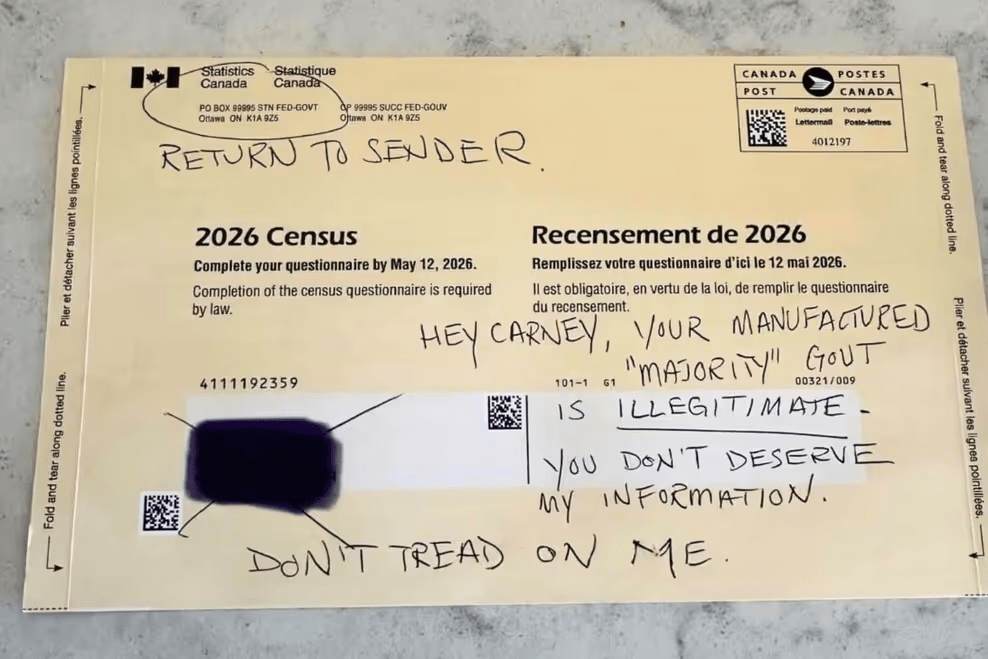
Photo from article: Canadians are Refusing to Fill Out the 2026 census and It Could Cost Them“.
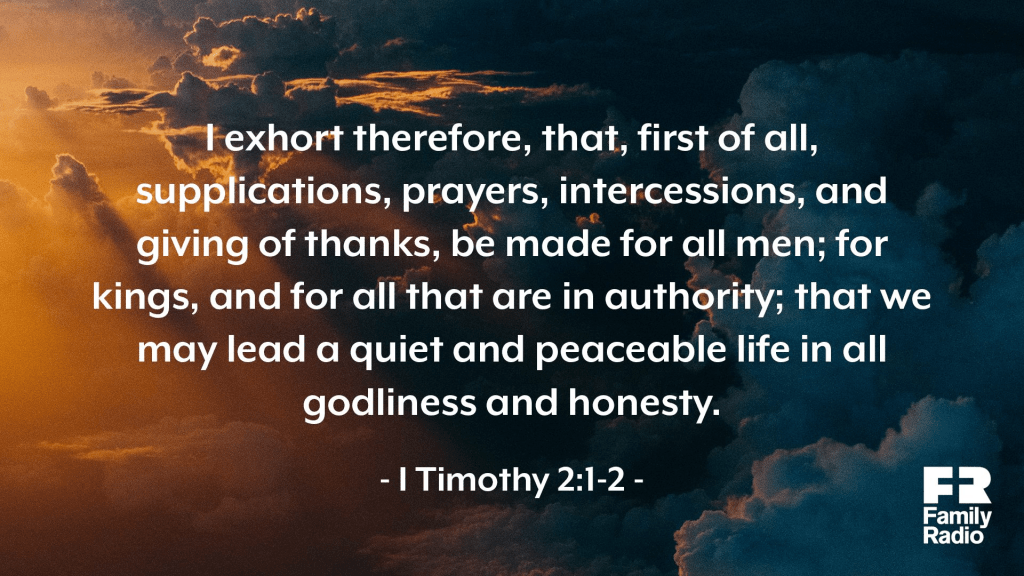
Having been a census enumerator, I don’t wish that job on anyone. Perhaps the current enumerators were desperate like me and needed the work. So I have been making it a point to pray for these workers. Both for their physical safety and their emotional well being. As hard as it was, I know God had me as a census person for a reason. He protected me each and every day I went out. I know now what it is like to just show up at someone’s place and instantly be vehemently hated. Just because of the badge I was wearing. God now has given me a new badge. I am a lay pastor of 3 beautiful Presbyterian church congregations. Which is now coming up to four years of ministry. Both my wife and I feel so much love and appreciation from each congregation. Instead of tearing others down, we build each other up. We pray for one another. Canada is such a wonderful country and most weeks we pray thanking God for our freedom and we also pray for our government leaders. 1 Timothy 2:1-2 reads, “I urge that petitions, prayers, intercession and thanksgiving be made for all people— for kings and all those in authority.” Also with a municipal election this year please pray for our local government. Proverbs 11:14 reads, “For lack of guidance a nation falls, but victory is won through many advisers.”

To give credit where due, the following two prayers are from the article, “35 Powerful Prayer For Government And Leaders“. It is off of the website Daily Prayer Log. Prayer for National Leaders: “Heavenly Father, we lift our national leaders before Your throne. Grant them supernatural wisdom to govern justly and compassionately. Help them set aside personal ambitions for the common good. Protect them from corruption and misguided counsel. Give them courage to make difficult decisions with integrity. May they lead with humility, remembering they are accountable to You and the people they serve. Bless their families and give them strength for their heavy responsibilities.” Prayer for Local Government Officials: “Lord, bless our mayors, council members, and local officials with discernment for community needs. Help them balance budgets wisely while serving vulnerable populations. Protect them from undue influence and special interests. Give them practical solutions for infrastructure, education, and public safety. May they govern with transparency and accessibility to constituents. Strengthen them to make principled decisions that benefit all residents.”


 My Sunday Blog