The other day I went to the dollar store and picked up a bunch of graduation cards. The elderly gentleman behind me in the checkout line was very intrigued by all the cards and he said to me, “Boy you must have a lot of grandchildren graduating”. I laughed and then went on to explain that I am a school crossing guard. Though I’ve only been doing this for 4 years, as I have gotten to know the children, they actually feel like my grandchildren. My wife in fact was crossing guard for almost 16 years. For some children she started crossing them in Junior Kindergarten, and got to see them grow for 10 years until they graduated from Grade 8. For myself, my public school days seem such a long time ago. The same goes for high school. Back then I was taking the 5 year high school program at Eastview Secondary School with plans to continue on to university. Things did not work out well. When I was 15 my dad died suddenly and my high school grades plummeted. I majorly failed both my math’s and sciences, prerequisites to be accepted by any university. Chemistry was my worse mark. Though as I get older, and love for the natural world continues to grow, it has rekindled a fascination with chemistry. Our created world is so incredibly complex.

To give an example, let’s look at sodium. It is a bit confusing as the chemical symbol for sodium on the periodic table is NA, which is from the Latin natrium. It is also confusing because we sometimes think of sodium when we shake a flavor enhancer on our french fries. Pure sodium or natrium is a highly controlled substance and not available for casual purchasing. The Environmental Protection Agency lists sodium as hazardous. In it’s pure form, sodium is highly reactive with air and water. It can be cut with a knife and is not found naturally in nature. Toss the stuff in water and it explodes violently with a flash fire. Which is why in a high school chemistry lab only a tiny sliver is used in water in a petri dish to observe its reactivity. It needs to be handled with gloves as the moisture on our hands will cause burns. It also needs to be stored suspended in a mineral type oil to avoid any exposure with oxygen or moisture. The latest technology in nuclear power plants are cooled with pure sodium instead of water cooled. It is called Natrium Technology. These power plants burn much hotter and have far less nuclear waste per electricity produced. Terra Power mentions their latest “1000 MWe Natrium reactor should make about 33 times more electrical energy per ton of mined uranium than present day light water reactors without the need for reprocessing.”
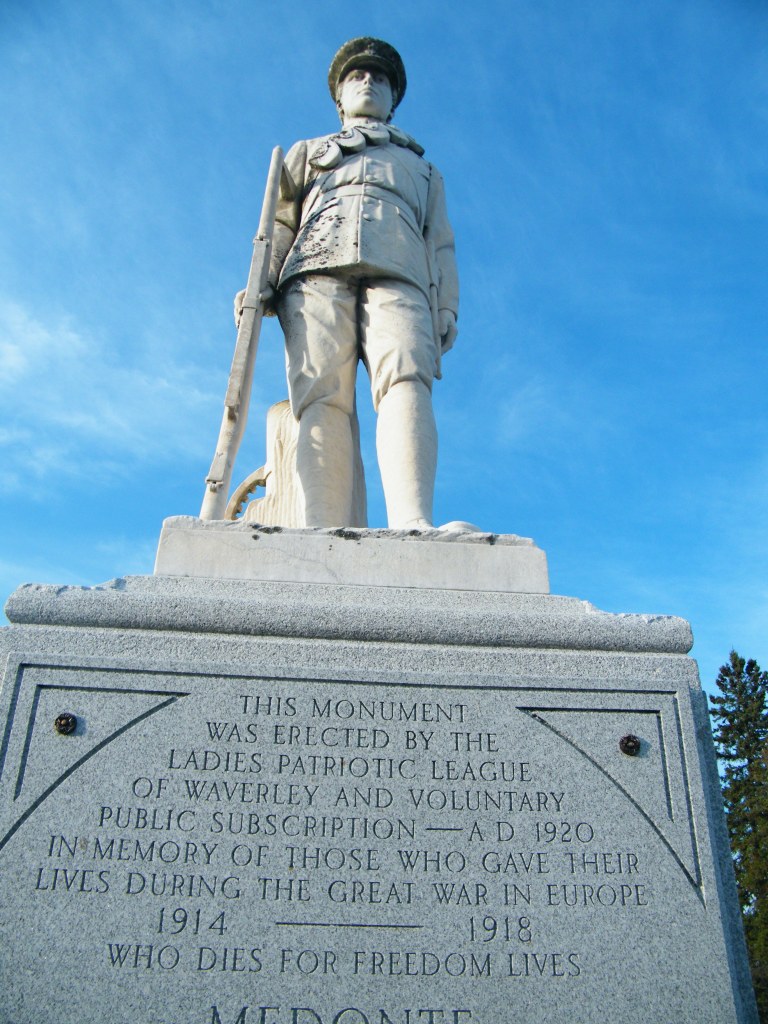
Chloride is an important mineral that our body requires and is listed as CL on the periodic table. Chloride controls the amount of water that goes in and out of cells. It helps are muscles and heart to contract. Plus regulates PH and blood pressure. In addition it helps to digest the foods we eat by the producing and releasing of just the right amount of hydrochloric acid (HCl) in the stomach. Because of a mucous layer lining our stomachs, the protective coating prevents the hydrochloric acid from digesting our stomachs. God has created us so incredibly. As it reads in Psalm 139:14, “We are fearfully and wonderfully made”. Through electrolysis, the chemical chlorine is produced. Chlorine is commonly used in industry and also sometimes in household products such as disinfectants. Chlorine is poisonous. The Centers for Disease Control and Prevention has important information on exposure to chlorine, whether it is from breathing it in, ingesting it or getting it on the skin. The Environmental Protection Agency lists chlorine as hazardous. It’s gas was 1st used as a chemical weapon on April, 22, 1915 at Ypres by the German army. Six thousand canisters, or 168 tons of chlorine gas was released. The effect on the allies was devastating. Gas masks had not been broadly distributed. And the ones that did exist were difficult to deploy. Because chlorine gas is heavier than air, it will sink to low-lying areas. The gas was released so the wind carried it over the trenches. It was said to have been horrific. The effects of breathing it in are devastating since it reacts with the moisture in one’s tender lungs to form hydrochloric acid. Which burns and dissolves living tissue. More information on that day at Ypres is found on the website War History Online. Lest we forget.
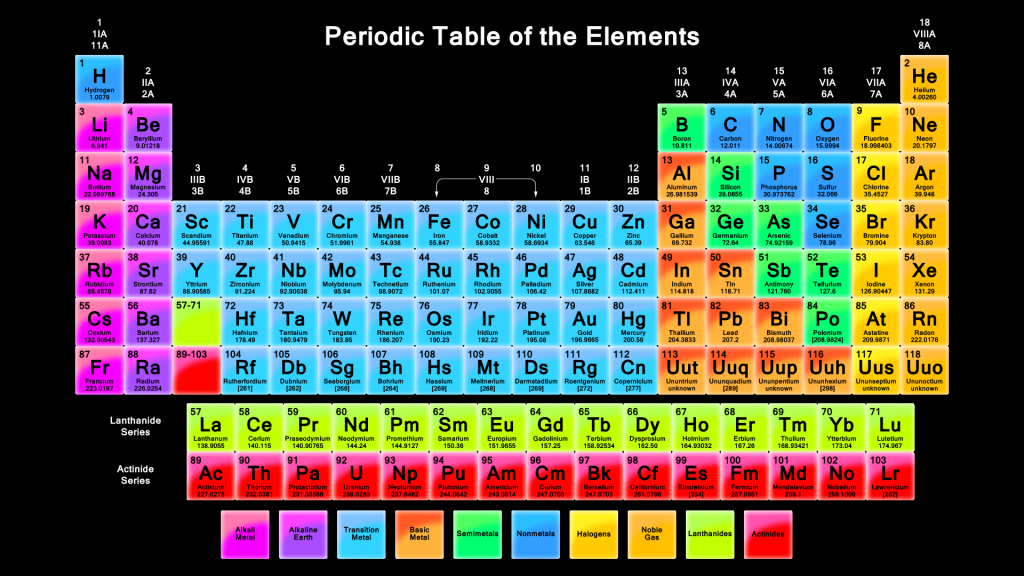
Sodium and chloride together is called sodium chloride. Which is salt. Someone has observed that by themselves, ingesting there 2 hazardous elements will either blow you up (as sodium reacts to a body that consists mostly of water) or poison and burns you from within (as chlorine reacts to water and changes to hydrochloric acid). But taking salt in moderation is an essential element for proper bodily functions to keep us alive. In my previous article, I talked about Jesus calling Mathew. In Mathew 9:9 Jesus said to Mathew “Follow me”. And Mathew got up and followed him. Mathew was a tax collector. He was a man of questionable reputation who collected taxes for the hated Romans. What an unlikely candidate to be an Apostle. There was another apostle that Jesus called. He was Simon. There are actually nine Simons listed in the Bible, but only one named Simon the Zealot. That was his label – Zealot! We don’t know much about Simon the Zealot from Scripture. He is one of the most mysterious of Jesus’ 12 apostles. Simon the Zealot is only mentioned in the New Testament four times when he’s listed alongside the other apostles. But a 1st century Jewish activist and historian named Flavius Josephus (36-100CE) has written a fair bit of detail on the Zealots in his 20 volume historiographical work titled the Antiquities of the Jews. Originally written in Greek and translated by William Whiston, this literary work is generously available as an eBook free of charge through Project Gutenberg.
Josephus describes the Zealots as the 4th religious/political party of the Jews. There was the Pharisees, Sadducees, Essenses and Zealots. After partisan leader Judas the Galilean was killed (see Acts 5:37) all who followed him were scattered. And that was the beginning of a rebellious group that became the Zealots. Despite being scattered, they were determined to undermine the grip of Rome on the Jewish people in Israel at all costs. One specific group of Zealots became assassins (called the sicarii) and they carried a curved concealed knife called a sica dagger to knock off anyone who crossed them the wrong way. Their goal was to terrorize the countryside and eliminate anyone they saw as a traitor to their cause. They looked on Jews who paid taxes to Rome as compromisers and enemies of Israel. And any Jew who entered into an agreement with Rome (lets say like a Jew who became a tax collector who collected taxes for Rome) was marked for assassination. Matthew was a tax collector. Simon was a Zealot. Sodium and chloride.

Ordinarily this would not have worked out very well. Someone was going to get killed and my guess it would likely be Mathew. But that didn’t happen. Why? Because Jesus was there combining these 2 hazardous people into something special. Jesus came to earth so you and I would not be hazardous to those around us. So we would become the salt of the earth. In the media, sadly you’ll hear and read bad things that happen under the umbrella of churches. Google the term “fallen pastors” and there are several articles written about them. It is no wonder so many people are turned off by the church. Which is why it is so incredibly important to stay close to the master. When Jesus says “Follow me”, we don’t take our eyes off of Him. The 12 disciples didn’t follow Jesus and become mature spiritual powerhouses overnight. Reading the Gospels and you’d see the disciples often quarreled, doubted and schemed. They had to grow spiritually. I’m sure Simon the Zealot wasn’t all that mature when he was called to follow Jesus. How was it that he didn’t hurt his archenemy Mathew? Here’s the low down. You don’t have to be fully mature to love Jesus. And if you really love Jesus, you really want to please Him in all you do.

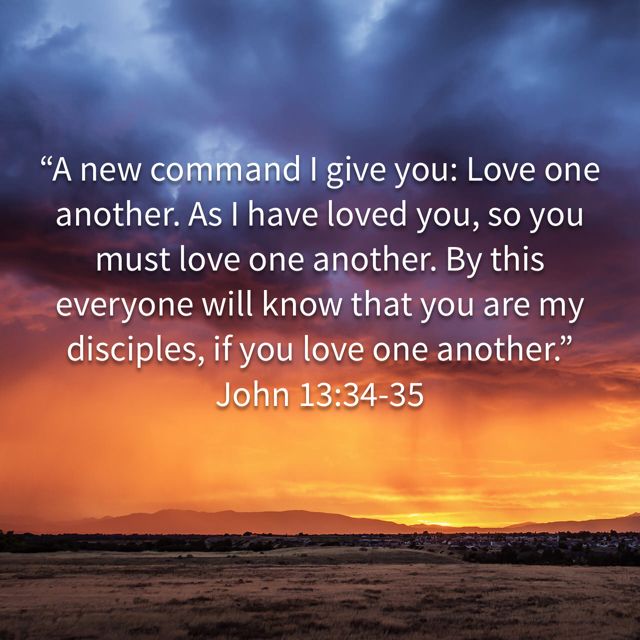
A while ago I remember reading a survey if people were asked if they could remember anything that Jesús had said. This survey went out to Christians and non Christians alike. The most popular response was “Love one another”. John 15:12 says “My command is this: Love each other as I have loved you”. And John 13:35 says, “By this everyone will know you are my disciples, if you love one another”. This is something even non-Christians knew. And because Simon the Zealot loved Jesus, he made every effort to love others as well – even Matthew.
Article based on a sermon I preached at the Three Churches on June 18, 2023.


 My Sunday Blog