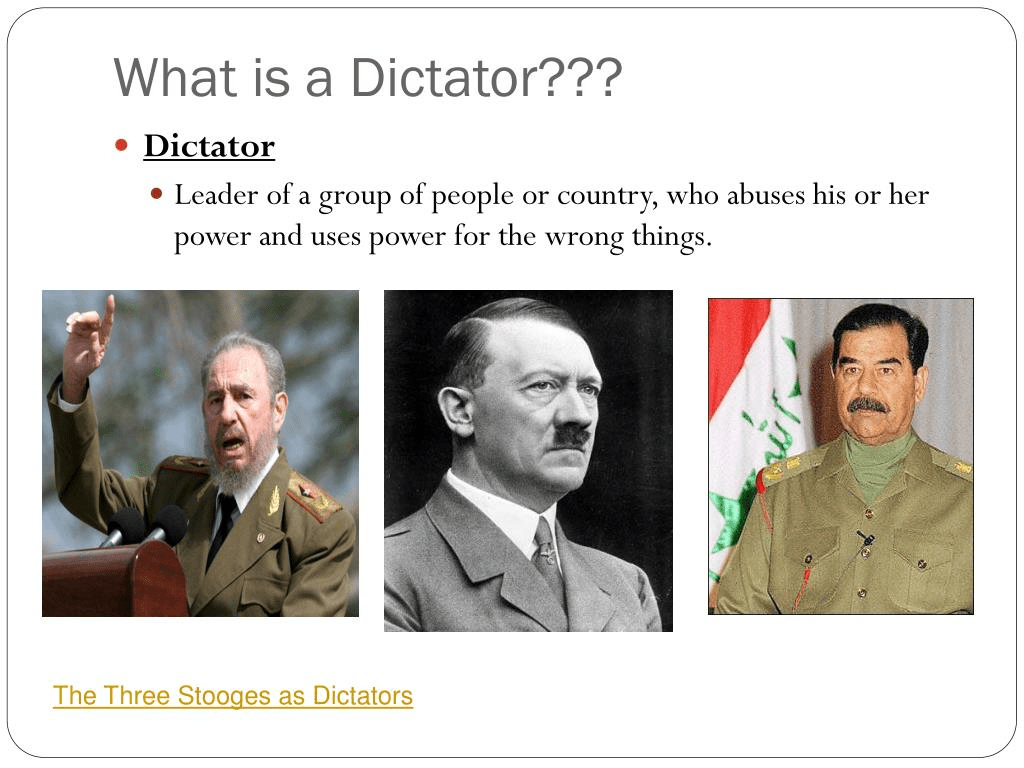
Growing up in elementary and high school, history was one of my least favourite subjects. My thoughts were, “What’s the point. It happened in the past”. Over the years I had an “about face” and have come to realize we learn from history. And I also have learned to love and appreciate history. Unfortunately history repeats itself. As I see the corruption, unrest, and an authoritarian drift mirrored in today’s polarized American democracy, I have also learned this not new. In this modern era there have been or currently are over 200 rulers who took power and became dictators. Some didn’t start out as dictators, but power went to their heads. It indeed is a slippery slope.
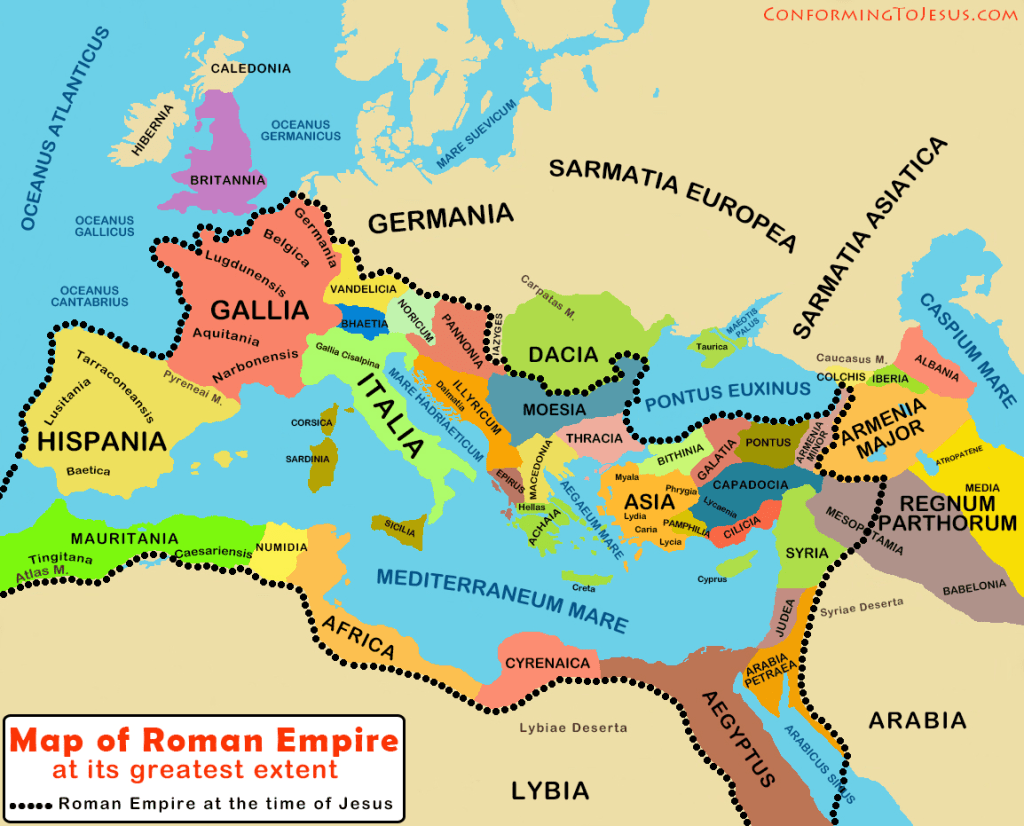
When Jesus was born in Israel it was occupied by the Roman Empire. The Military Commander and Roman Emperor was Octavian, better known as Caesar Augustus and the grand-nephew and adopted son of Julius Caesar who was assassinated. The Roman Senate honored him with the title Augustus, which means “reverend,” “the exalted,” or “the venerable,” in recognition of his efforts to restore order after the Roman civil war. The many provinces within the Roman Empire were governed with a heavy hand, yet with some local autonomy. In Israel, the Jews were allowed to maintain their religion and culture. Augustus died and was succeeded by Tiberius Caesar, a ruler whose own life was filled with conspiracies and power struggles. Although Tiberius Caesar was only mentioned once by name in the four Gospels, he was the emperor when Jesus ministered and preached on earth. He was also the emperor when Jesus was executed by means of a Roman crucifixion. Although not directly involved with the execution of Jesus, his governance set the stage for key figures like Pontius Pilate, who was responsible for Jesus’ trial and execution. At this point in time the Roman Empire was vast and powerful, stretching from Spain in the west to Syria in the east and encompassing parts of North Africa and Egypt.
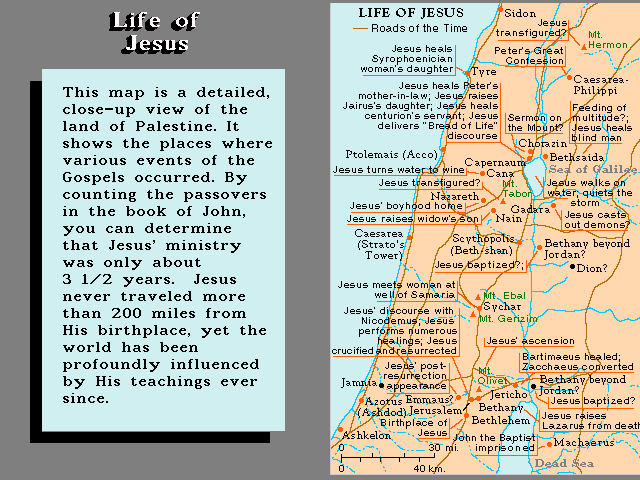
The collapse of the Roman Empire happened centuries ago, and the name of Tiberius Caesar is deeply buried and all but forgotten in the pages of history. Yet an obscure preacher named Jesus who ministered only within a tiny province called Galilee remains fresh to this day. Jesus Christ, God in human flesh. Jesus preached what many consider to be the greatest sermon of all time. It is called the “Sermon On the Mount” and sometimes called the Beatitudes in Matthew 5:1-12. One of the verses I focused from the Beatitudes on my sermon at the Three Churches was Matthew 5:9, “Blessed are the peacemakers, because they will be called sons of God”. We live in a world that is ugly, messed up and filled with violence and hate. It is into this world that Jesus sends us into this world as peacemakers.
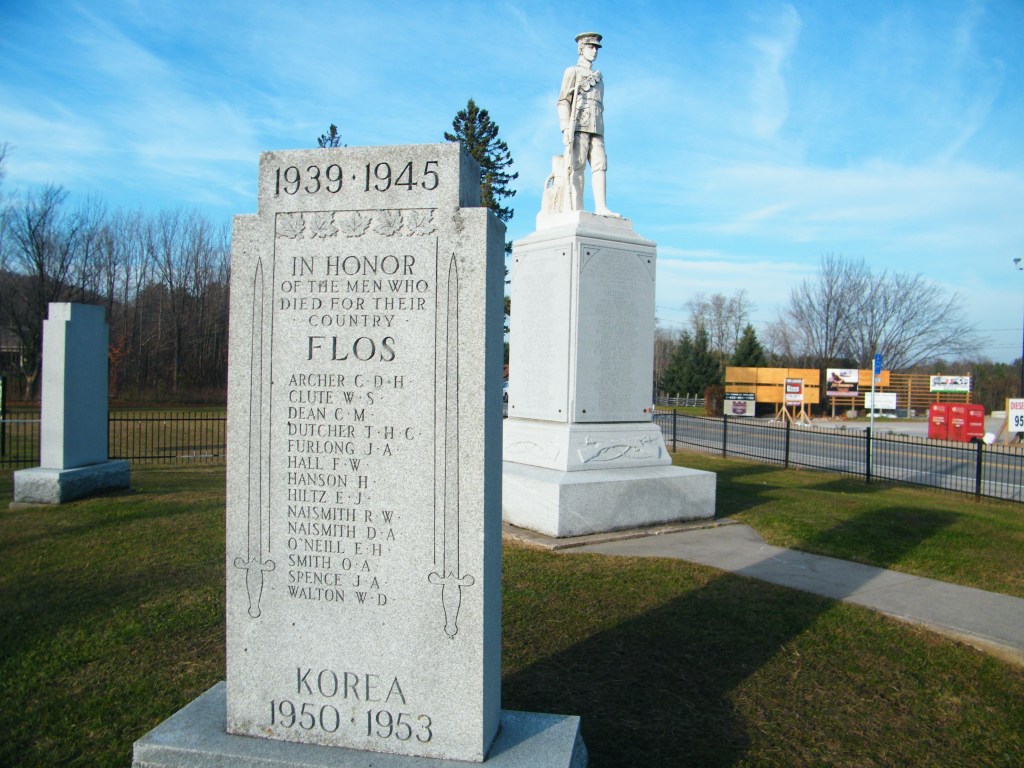
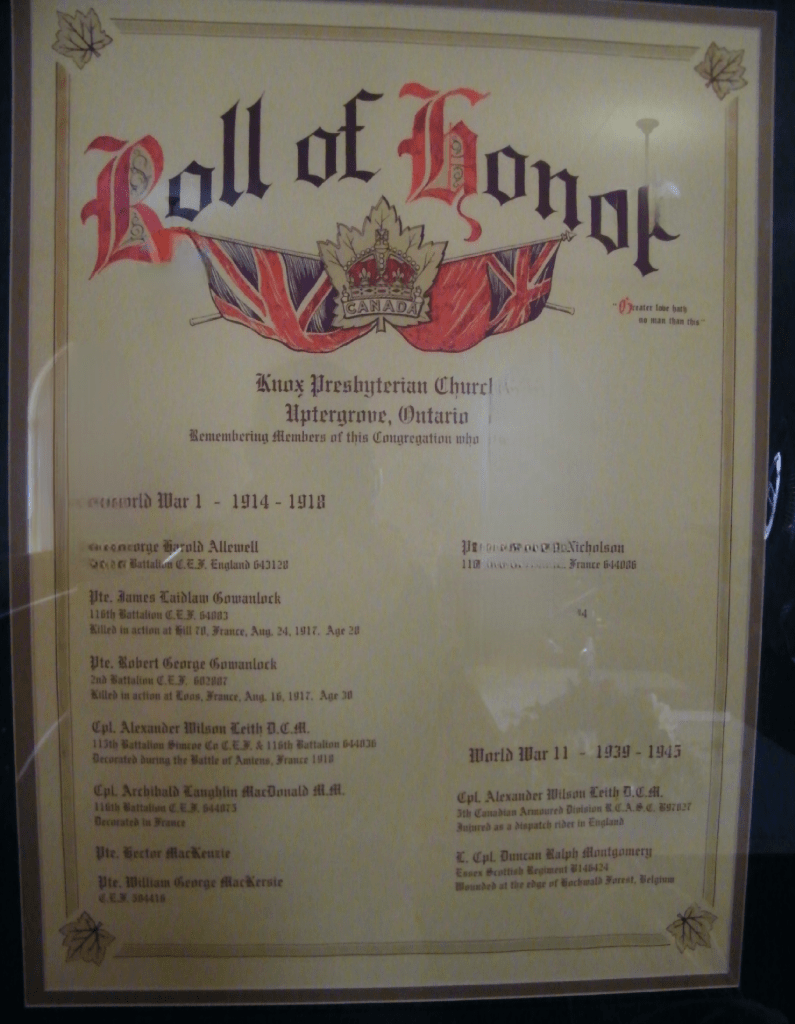
The word peacemaker is not a common word in our modern vocabulary. Outside of the context of the Sermon on the Mount, I very rarely hear it spoken. Because peacemaker is not a common word, there are misconceptions about it. Yet we need peacemakers more than ever in today’s world. Peacemaker is not the absence of conflict. It is not pacifism, which means “the participation in war by an individual are absolutely wrong, under any circumstances” (Britannica). I am so grateful for the freedom we enjoy here in Canada. But it came with a hefty price. So many young Canadians volunteered to go overseas to fight for our country and for our freedom. Many did not come home. Lest we forget. A peacemaker is not a person who glosses over problems acting if everything is alright, when it is not.
So what did Jesus mean by peacemaker then? Rick Ezell from Lifeway Christian Resources gives a working definition. It is “someone who is actively seeking to reconcile people to God and to one another”. The word peacemaker is a compound word comprising of two very common words, peace and maker. The common western definition of peace is the absence of conflict or war but in in Hebrew it means so much more. In the Hebrew tongue the word peace is shalom. An amazing word is used as a greeting in the Jewish culture like we say hello and goodbye. But it goes so much deeper. The website Firm Israel mentions when you say Shalom, you are literally saying, “may you be full of well-being” or, “may health and prosperity be upon you.” The famous Aaronic benediction of Numbers 6:24-26 brings out this idea very clearly: “The LORD bless you and protect you; the LORD make His face shine on you, and be gracious to you; the LORD look with favor on you and give you peace” (Num. 6:24-25).

The second part of the compound word “peacemaker” is the word “make”. It comes from the Greek verb “εἰρηνοποιοί” that means “to do” or “to make,” designating those who actively cultivate and maintain peace. I find it fascinating that Jesus did not say “Blessed are the peacelovers or the peacehopers or the peacetalkers or the peacewishers or the peacedreamers.” To make peace takes effort. It takes controlled energy. Peace never happens by chance. Peace happens because people are up and doing, taking the initiative.

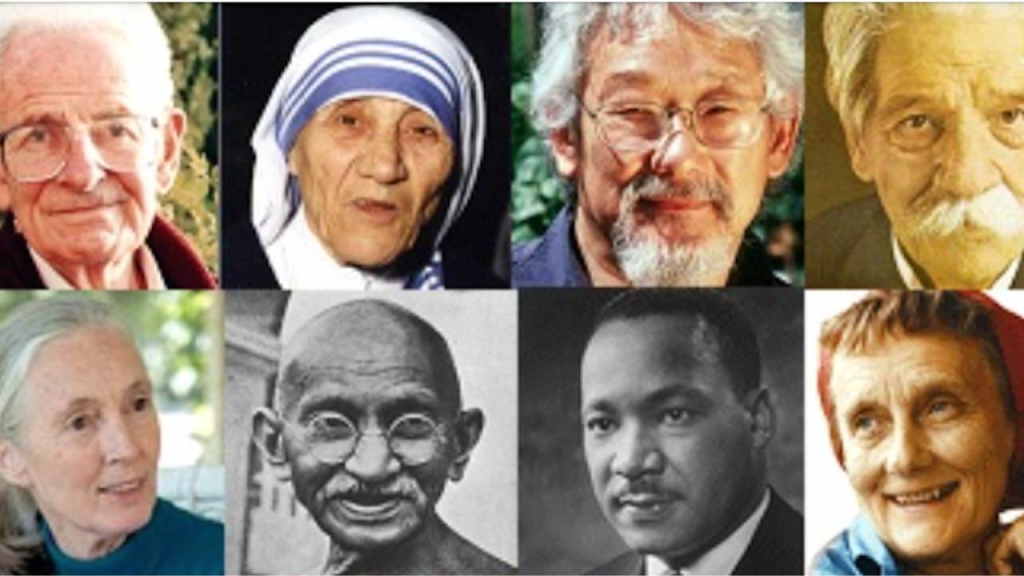
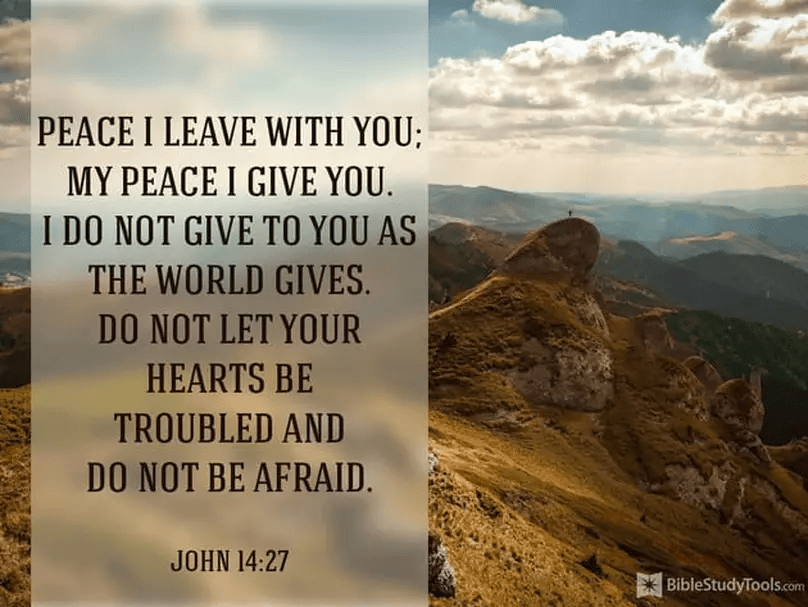
Like in the photo above, there are, and have been great peacemakers in our lifetimes. But Jesus is the supreme peacemaker we should model our lives after. The book of Isaiah was written over two centuries, from 737-631 BCE. Within its’ pages in Isaiah 9:6 there is a prophecy that points to the Messiah who would be called the “Prince of Peace”. The angels announced his birth by singing, “Glory to God in the highest heaven, and peace on earth.” (Luke 2:14). When Jesus released sinners from guilt, obligation, or punishment, His words to them were “Go in peace!” Just before he was crucified, Jesus’ last will and testament was, “Peace I leave with you. My peace I give to you. I do not give to you as the world gives. Your heart must not be troubled or fearful” (John 14:27). After the resurrection, his first word to the disciples when He greeted them was “Shalom.” “Peace to you!” (Luke 24:36). Ultimately, Jesus came so we could have Peace with God. Colossians 1:20 says, “and through him to reconcile to himself all things, whether things on earth or things in heaven, by making peace through his blood, shed on the cross.” Christ is our supreme example in bringing peace in our hearts, our relationships, our church, our nation, and our world.
The task of being a peacemaker is never easy. It is messy. It takes sacrifice. It takes a lot of time and effort. It can drain us of our emotional energy. It is like trying to make it across a fast moving creek on slippery rocks. The journey is needed. The work is risky. You may fall. You may get bruised. And, sometimes you may not make it across the stream. Sometimes, as hard as we try, peacemaking just doesn’t work. In this world we rub shoulders with a lot of people on a weekly basis, co-workers, neighbours, church family and so on. We may be able to get along and make peace with 99% of people. But, there is always that one person. Isn’t that how life is? In Paul’s letter to the Romans, he exhorted, “If it is possible, as far as it depends on you, live at peace with everyone” (Romans 12:18). It is a pretty clear command that we are to live at peace with everyone. But Paul adds that all important phrase, “If it is possible.” Sometimes, as hard as we try, peace just isn’t possible. In life there are those cantankerous types of people who go through their days making life miserable with everyone they meet. You can’t always live at peace with people like that. God has called us to be peacemakers. God wants his children to be bridge builders. We may not agree with everything others say or do. But the hallmark of a Christian is the ability to get along with other people. The testimony of a church congregation is its ability to get along with other people. We have a God-given, scripturally-directed responsibility to pursue peace. Keep up the great work. “Blessed are the peacemakers, for they will be called sons of God”.



 My Sunday Blog