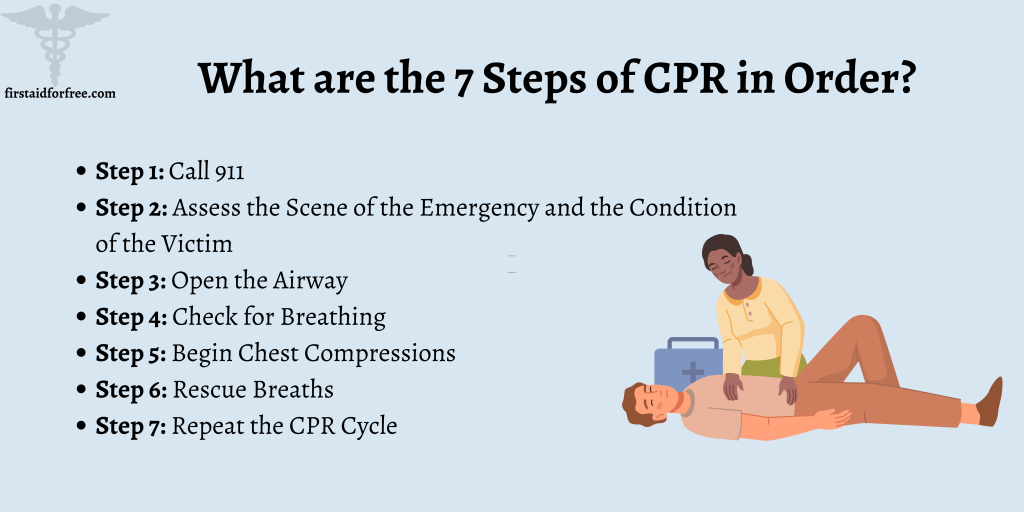
It is amazing how much we have advanced in the medical field during my lifetime. Mouth-to-mouth resuscitation for drowning victims goes back to the 17th century. However it was only in 1959 (the year after I was born) that the chest compression technique was approved for humans. The acronym is called CPR which is an for Cardio Pulmonary Resuscitation. From the Red Cross website, “CPR combines rescue breathing (mouth-to-mouth) and chest compressions to maintain blood circulation and deliver oxygen to the body until advanced medical treatment is available.” When my dad died of a heart attack on November 17, 1973, he was 47 years old. The story that led up to my dad’s death found here.

I’m not a medical expert, but over the years I tried to learn more about heart attacks. Given that my dad died so young. I do find there is so much confusion in that people refer to acute-heart-related episodes by using the terms “heart attack,” “cardiac arrest” and “stroke” interchangeably. A heart attack, such as my dad had is a circulation disorder. The heart muscle requires a constant supply of oxygen rich blood. EmediHealth shares that “Sometimes, the flow of oxygen-rich blood to a portion of the heart muscle is blocked or slowed. If the blood flow is not restored quickly, the muscle, which is supplied by the blocked or narrowed artery, begins to die due to a lack of oxygen. This heart-muscle-death is what is traditionally known as a “heart attack,” and medically referred to as a myocardial infarction (MI).” While a heart attack occurs due to a blockage that prevents blood flow to the heart, this can sometimes lead to a cardiac arrest, where the heart stops beating entirely. This is when CPR (Cardio Pulmonary Resuscitation) comes in. CPR ensures that oxygen continues to circulate through the body until professional medical help arrives. When initiated promptly, CPR can significantly increase the chances of survival. Then there are strokes, which are brain disorders.. They do have different symptoms from a heart attack. But the primary cause of both is atherosclerosis (AS), or narrowing of the arteries by plaque.
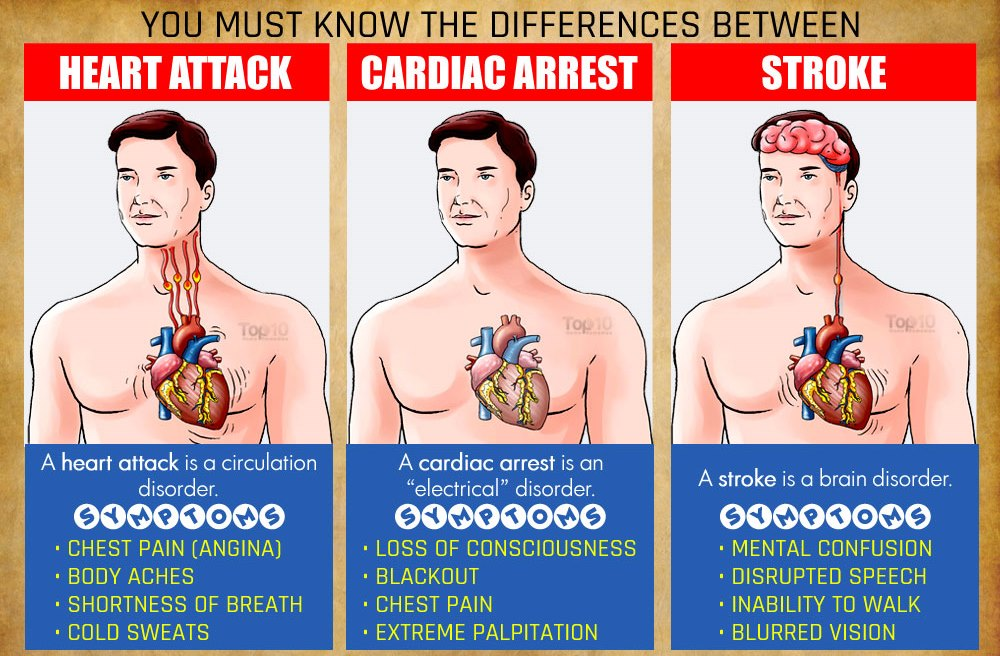
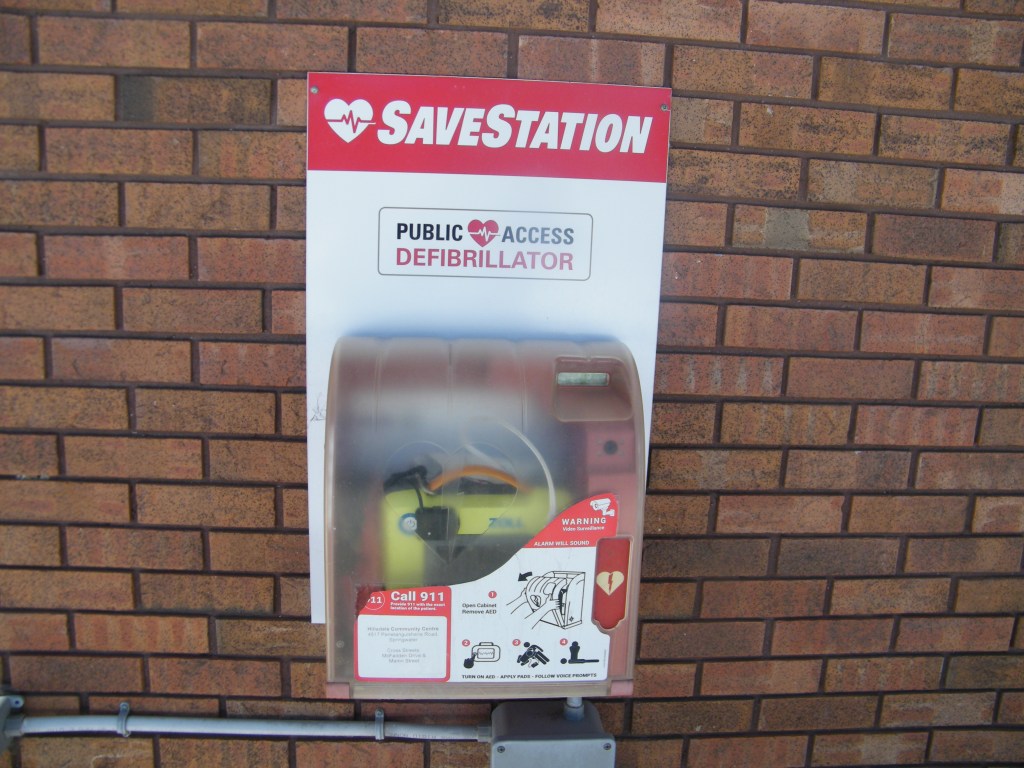
What gets even more confusing is that Cardiac Arrest is mostly described as an electrical disorder. However heart attacks can lead to Cardiac Arrests, where the heart stops beating entirely. As a precautionary measure in the past, I have been sent out for an electrocardiogram (ECG or EKG) by my doctor. The heart muscle pumps in response to electrical signals that travel within the heart; this is why we can pick up “heart waves” on an electrocardiogram (ECG or EKG). Electrically, everything checked out well with my heart. From the website emedihealth it says “When the electrical activity of your heart experiences chaos, frequently referred to as an arrhythmia (ARR), it causes the heart to start beating irregularly. And then abruptly stop pumping blood through the body. The patient may feel a palpitation or fluttering feeling in his/her chest moments before his/her heart stops beating completely.” When the heart stops beating completely, it is referred to as Sudden Cardiac Arrest (SCA). In Canada alone, approximately 35,000 to 45,000 people experience SCA each year. The website AED.ca mentions “the survival rate outside of a hospital setting is dismally low—often less than 10%.” Every second counts. In the 1970’s, Automated External Defibrillator’s (AED’s), machines known for their ability to help those who suffer SCA were typically found in hospital emergency wards, operating rooms and intensive care units. They were large, stationary units with manual controls, requiring considerable expertise to operate safely. Nowadays, AED’s have become much more advanced, smaller and user friendly. Here in Southern Ontario AEDs are now commonly found in public places such as airports, schools, sports facilities, and shopping malls. There are even found at the community park in Hillsdale. This widespread availability of AED’s ensures that defibrillation can be delivered quickly, even before emergency medical services arrive. Many AEDs are equipped with clear voice instructions that guide the user through the process, making it possible for individuals with no medical training like myself to use the device effectively.
When my dad dropped dead from his heart attack in 1973, a neighbour who was with my dad in the middle of a field needed to run to the nearest house to call for help. There was no cell phones back then. An ambulance was called from the landline phone in the house. As well, a neighbour named Alberta Slessor who works as a nurse at Royal Victoria Hospital was called. Alberta fortunately was home and got to the field where my dad lay motionless as fast as she could and long before the ambulance arrived from Barrie. I’ve seen Alberta Slessor hundreds of times since my dad’s passing. She was a neighbour, but also attended the same church. She was also my church youth group leader while I was in my teens. Decades passed, and last year was 51 years since my dad’s passing. Alberta Slessor was in her nineties last year when she came up to me at a funeral visitation. Holding my hand, she took me back by memory to the day dad died. I was 15 at the time of dad’s death. Alberta said when she saw my dad on the ground with no pulse and his skin with a pale colour, (a stage of death known as pallor mortis), she knew it was probably too late. But she knew she had to try CPR. She said, “I tried so hard, Carl. I am so sorry”. There were hugs. There were tears. It was very emotional.
CPR, MI, ECG, ARR, SCA, AS, AED… I really need a reference book to know what all these medical acronyms mean. Social media has created a whole new set of acronyms. For example LOL means “laugh out loud”. It is simply shorthand for a term that takes longer to type than what most people have patience with. As an old school Baby Boomer, I needed help so I could understand the lingo. I found an article on the website Social Champs. The full title is called “120+ Social Media Acronyms & Slangs for Every Millennials & Gen Zers in 2026“. I have 2 children who are Millennials and 2 children who are Gen Zers. It was wonderful to learn some of the lingo. Though there were some acronyms that I knew. Such as DIY (Do It Yourself), and TGIF (Thank Goodness It’s Friday). At the Three Churches I did some interaction in my sermon with the congregations using some of the acronyms I learned in the article. They did amazing at knowing what the lingo is. Like FOMO is “Fear of Missing Out”. TMI is “Too Much Information”. IRL is “In Real Life”. And GOAT stands for “Greatest of All Time”. There was one more that we looked at, which pointed to a friendship that Jesus had. It was BFF for “Best Friends Forever”. In John 11:3 we are told that when Lazarus got sick, his sisters sent Jesus a message, “Lord, the one you love is sick”. Lazarus was Jesus’s BFF.

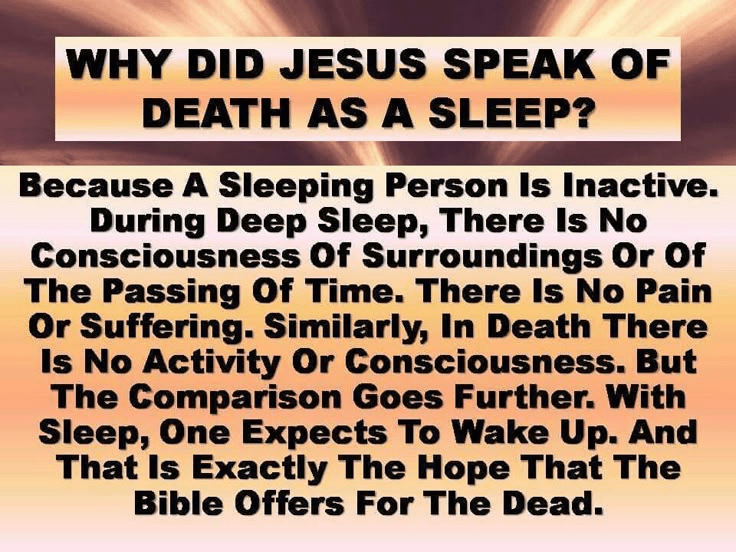
As a BFF, normally you would want to be there with your sick friend as quickly as possible. But John 11:6 says, “Yet when he heard that Lazarus was sick, he stayed where he was two more days”. By then Lazarus had died. It is really interesting how Jesus refers to death. In John 11:11-14 it reads, “After he had said this, he went on to tell them, Our friend Lazarus has fallen asleep; but I am going there to wake him up. His disciples replied, “Lord, if he sleeps, he will get better.” Jesus had been speaking of his death, but his disciples thought he meant natural sleep. So then he told them plainly, “Lazarus is dead.” The word “sleep” is used as reference to death several times in the Bible. In the book of Luke 8:52-54 Jesus used the word “sleep” when He raised the daughter of Jairus from death. It reads, “Meanwhile, all the people were wailing and mourning for her. “Stop wailing,” Jesus said. “She is not dead but asleep.” They laughed at him, knowing that she was dead. But he took her by the hand and said, “My child, get up!”
Jesus arrived at Bethany, where Lazarus lived. But Lazarus was long dead. There was no embalming back then like we have nowadays, so the funeral and burial took place soon after death. Jesus was late for his BFF’s funeral. In fact in verse 17 of John 11, we learn that Lazarus had been in the tomb for 4 days. When Jesus saw Mary, the sister of Lazarus weeping as well as others weeping, it says in verse 35 that “Jesus wept“. I found in that Social Media article the perfect acronym. It is IFYP, which means “I Feel Your Pain”. You see Jesus knows when we are hurting. He understands our sorrow. He was a human and knows what we face each day. He feels our pain. So Jesus was at the tomb of Lazarus when He says, “Take away the stone“. Martha, the other sister protested saying there would be a bad odor by this time, as Lazarus has been in the tomb for 4 days. Even with today’s medical advancements with CPR and AED’s, to raise someone dead for 4 days was humanly impossible. But with God, nothing is impossible.
In raising Lazarus from the dead, Jesus was allowing us a preview of what He’ll do for us. Romans 8:11 declares, ” … if the Spirit of him who raised Jesus from the dead is living in you, he who raised Christ from the dead will also give life to your mortal bodies through his Spirit, who lives in you.” That is so cool. The Spirit of God who resides in us is powerful enough to bring you out of the grave. The word “sleep” regarding death is also found in the epistles. Lazarus’ resurrection is a proof of the promise found in 1 Corinthians 15:51-55, “Behold! I tell you a mystery. We shall not all sleep, but we shall all be changed, in a moment, in the twinkling of an eye, at the last trumpet. For the trumpet will sound, and the dead will be raised imperishable, and we shall be changed. For this perishable body must put on the imperishable, and this mortal body must put on immortality. When the perishable puts on the imperishable, and the mortal puts on immortality, then shall come to pass the saying that is written: “Death is swallowed up in victory.” “O death, where is your victory? O grave, where is your sting?”
The raising of Lazarus from the dead is part of our 5th Sunday of Lent, as we journey towards the cross, the death burial and resurrection of Jesus from the grave. The Christian life is a journey. If you’re driving down the road there will be all kinds of “signs” by the side of the road. Signs serve a purpose. Signs inform us of where we are, where we’re going, or how fast we can go to get there. Please don’t speed. Signs also tell things about the road, such as a curve ahead. An AED machine has very specific instructions to follow in order to restart a person’s heart that has stopped beating. The life of Jesus and the things He did like raising Lazarus from the dead are signs of what we should take heed to. Tucked right in the middle of the story of Lazarus is this verse from John 11:25-26. It reads, “Jesus said to her, “I am the resurrection and the life. The one who believes in me will live, even though they die; and whoever lives by believing in me will never die. Do you believe this?” Thank you for reading…Carl


 My Sunday Blog